
Top Five Tips From The Dentist For Diabetics
By Regency Dental Group 2 min read
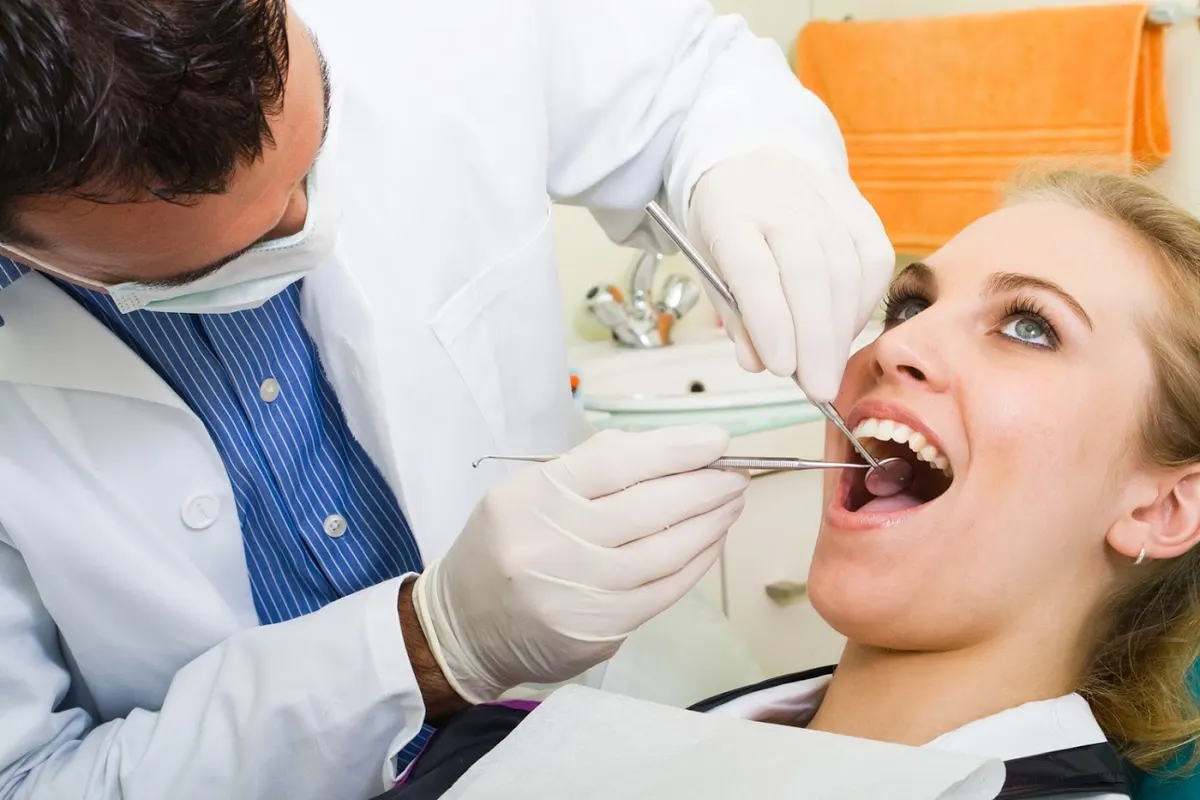
Among the many health risks of diabetes is a decline in oral health that makes patients more vulnerable to gum disease. According to dental professionals, this happens because diabetes slows the body's circulation, making the gums more susceptible to infection. The metabolic disorder also increases glucose (sugar) levels in saliva, which fuels the growth of dental plaque that attacks the teeth and gums. To protect against the disorder, follow these simple tips.
1. Visit Your Dentist Regularly.
Because diabetics are at a much higher risk of gum disease than the average patient, you should never miss a dental appointment. In fact, you should schedule regular checkups two to four times a year. With professional cleanings and regular examinations, common mouth conditions, such as ulcers, dry mouth, and infections can be controlled. To prevent bouts of low blood sugar, it may be a good idea to eat before you see your dentist. It is also crucial that you inform him or her of any oral problems you may be having -- no matter how minor they may seem.
2. Follow A Strict Oral Hygiene Regimen.
All diabetics should and really must brush and floss daily, preferably after every meal. This will help remove the plaque that can cause gum disease, thereby lowering your risk for mouth ulcers and infections. It is recommended that you complete your oral hygiene routine at least three times a day. Because your risk of oral infection is elevated, it is important to avoid aggressive brushing that can cause cuts and sores. You may even want to use a soft-bristled brush or an electric model for a safer, more comfortable brushing experience.
3. Control Your Blood Sugar.
As we mentioned, sugar stimulates plaque growth, which causes tooth decay and gum disease. Because diabetics have more glucose (sugar) in their blood, they also tend to have a lot more plaque on their teeth. But if you can keep your blood sugar low, you can reduce your risk of periodontal disease.
4. Don't Smoke.
In a perfect world, nobody would smoke -- especially people with diabetes. The unhealthy activity causes a laundry list of serious complications, including oral infections and periodontal diseases. According to dental professionals, smoking can more than double your risk of cavities and infections.
5. Clean Your Dentures.
If you have diabetes and you wear false teeth, you are more prone to developing oral thrush -- a fungal infection of the mouth. Typically caused by denture irritation or wear, thrush can be prevented with regular cleaning. It is also recommended that you remove your dentures in between meals to give any irritated tissue the opportunity to heal. Your dentist might also advise you to limit your sugar intake when your mouth is bothered or raw.
When followed to the letter, these simple tips should help you control diabetes-related dental issues.
Article Source: http://EzineArticles.com/9086212
This article was republished from a syndicated source and is provided for general education. It does not necessarily reflect the treatment philosophy of Regency Dental Group.
This article is general information, not dental or medical advice, and does not replace an examination. If you have a dental concern, call (707) 453-1776. For a medical emergency, call 911.