8 Things to Avoid for Strong, Healthy Teeth
By Regency Dental Group 4 min read
Most of us know the importance of keeping our teeth clean healthy. You have teeth of various shapes and sizes in your mouth, and these are all used for different jobs. Teeth not only help us to chew food, but they also help us to talk and pronounce words correctly. They also help give our face its shape. And although it may be cosmetic, having a great smile is a great asset to have. I mean, who wants to be embarrassed to smile? So looking after your teeth just makes sense.
Looking after your teeth means having a daily 'dental health' routine. Advice from experts - such as the International Dental Foundation - recommend your daily routine should include:
· Brushing with fluoride toothpaste last thing at night and once during the day]
· Using floss or 'interdental' brushes to clean between teeth
· Having good eating habits - cutting down on sugary foods and drink
· Having you teeth checked out regularly
Most of these are well known. There are other ways however we can adopt to look after our teeth and gums and prevent tooth decay and damaging our teeth. Avoiding some (or all) of the following will certainly help:
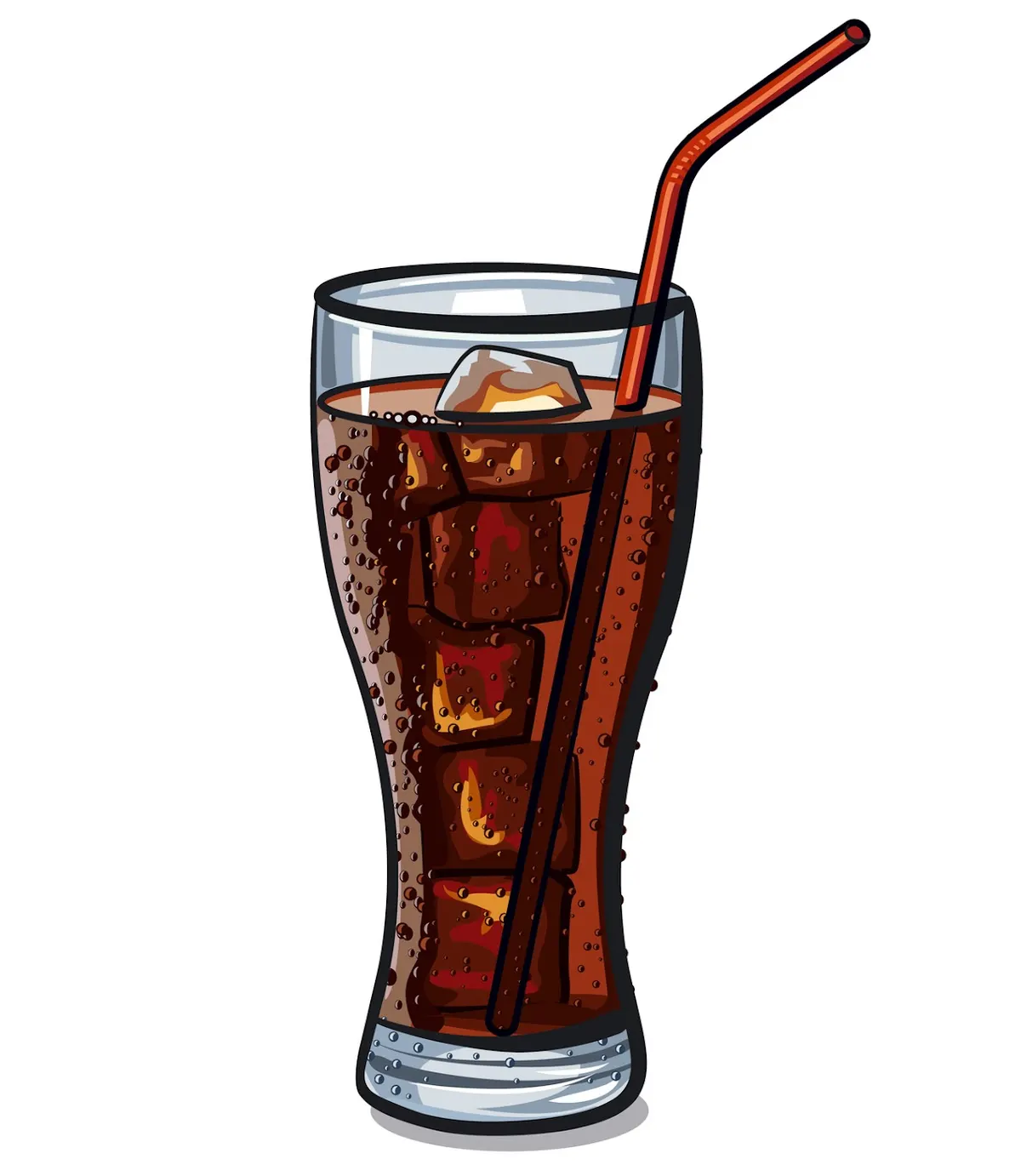
Sodas and fizzy drinks
The combination of high sugar and high acid is bad news for teeth. Drinking soda's frequently has the result of 'soaking' your teeth in sugar, a sure way to tooth decay. The acid in the soda also helps to erode the enamel on your teeth, leading to tooth sensitivity. If soda is a must for you, then try cutting down as much as possible - thirst-quenching water is a great alternative. If you like the fizz - then just try soda water... Another tip is to sip sodas through a straw to avoid contact with the teeth.
Sports drinks
Sports drinks may help you recover quicker on the sports field, but they're similar to sodas in that they contain high amounts of sugar and acids - not so good for teeth. Opt for calorie-free water instead.
Sticky sweets and gummy candy
OK, so all candy and sweets are not considered good for your teeth, but the chewier and stickier they are, the more harmful they generally are for you. Because of their sticky nature, they are more prone to stick to the crevices between the teeth, and therefore less likely to be washed away by saliva. Be sure to brush well after eating such foods - or better still find sugar free alternatives.
Cough Drops
Cough Drops that contain sugar usually have a high content. Although they are designed for medicinal purposes, sucking on cough drops for extended periods helps cover the teeth with sugar. The risk of tooth decay and gum disease is increased as dental plaque (which includes bacteria) increases in the mouth. Opt for sugar-free cough drops.
Grinding teeth
Also known as "bruxism" grinding or clenching of the jaw affects millions of people all over the world. If is often associated with stress or is even shown to be hereditary. More often than not it occurs subconsciously at night, but can happen during the day as well. It puts pressure on the teeth and jaw and can cause pain. Wearing a mouth guard may help alleviate the pressure and protect the teeth from being worn down.
Using your teeth for purposes other than chewing and eating
Chewing, eating, smiling and speaking clearly - that's all your teeth should be used for. Anything else is a no-no. This includes opening stuff such as potato chip bags (or any other type of bag for that matter) using your teeth to 'hold' stuff if your hands are full, or anything else that brings your teeth into direct contact with hard, sharp objects. This can cause damage by chipping or fracturing teeth.
Tongue Piercings
A matter of personal preference for some, tongue piercings are highly discouraged by dentists. These items in the mouth can cause teeth to chip or crack, as well as rub up against gums and cause gum problems. Tongue piercings also encourage more bacteria to build up in the mouth - not a healthy situation for your mouth to be in. Having mouth jewellery may be trendy - but your mouth may pay a high price for it.
Sports with no mouth guard
It's always recommended to wear a mouth guard when playing contact sports. The mouth and face area are more susceptible to damage in some sports than others, (such as rugby, hockey or basketball) so wearing a mouth guard will help cushion any blows received in the mouth area and protect the teeth from damage and being knocked out.
Article Source: http://EzineArticles.com/9093364
This article was republished from a syndicated source and is provided for general education. It does not necessarily reflect the treatment philosophy of Regency Dental Group.
This article is general information, not dental or medical advice, and does not replace an examination. If you have a dental concern, call (707) 453-1776. For a medical emergency, call 911.